

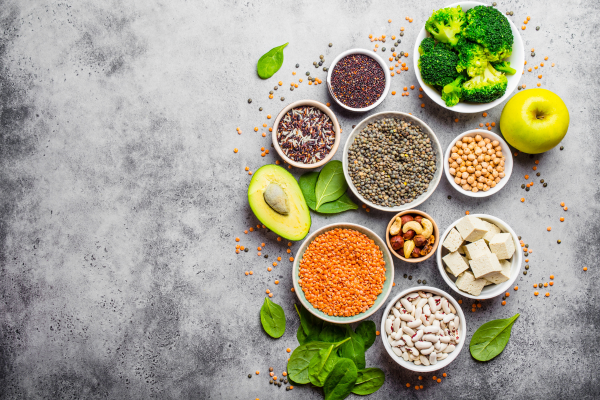
In nutrition, myths and misconceptions spread like wildfire, leading to confusion and poor dietary choices. I’m here to help you start your health and fitness journey the right way, making informed decisions that will promote your overall health and well-being, support your fitness goals and help you foster a healthy relationship with food. It’s time to set the record straight and debunk some of the most common nutrition myths that persist.
“Eating Fat Makes You Fat”
Consuming dietary fat will not directly lead to weight gain; being in a calorie surplus (when the number of calories we consume is higher than the number of calories we burn) will. Remember, not all fats are created equal. While you want to limit saturated and trans fats, including fatty meat and high-fat dairy products, opt for heart-healthy unsaturated fats such as those found in avocados, nuts and olive oil. Not only do these have important functions like protecting our organs, maintaining cell membranes, promoting growth and development and absorbing essential vitamins, but they also have a role in lowering bad cholesterol and triglycerides in the bloodstream, contributing to cardiovascular heart health.
“Carbohydrates Should Be Avoided”
Carbohydrates are an important energy source for our bodies, and they have important structural and functional roles, providing a source of fibre and essential nutrients. The key lies in choosing high-quality, unprocessed complex carbohydrates such as whole grains and legumes as part of a balanced diet. On the other hand, processed and refined carbohydrates, such as white bread, chips and cookies, should be limited due to their lack of nutrients and potential to cause blood sugar imbalances and insulin resistance.
“All Gluten is Bad for You”
Gluten, the proteins found in wheat, rye and barley, has been demonised in the health and fitness industry, with gluten-free diets gaining popularity. Unless you have celiac disease, gluten intolerance, wheat allergies or gluten ataxia, gluten can form part of a healthy, balanced diet. Whole-wheat products have great nutritional benefits, but I encourage you to be mindful when manufacturers remove gluten, as additional sugar, salt or refined starches are often added to make up the difference in flavour and texture.
“Eggs Are Harmful”
Eggs have long been frowned upon for their high cholesterol content. However, research has consistently shown that dietary cholesterol has minimal impact on blood cholesterol levels for most people. Eggs are nutrient-rich, providing essential amino acids, minerals, and healthy fats. Unless advised otherwise by a healthcare professional, most individuals can freely enjoy eggs as part of a healthy diet.
“You shouldn’t eat anything after 7 p.m.”
While late-night snacking can lead to weight gain or prevent weight loss, it’s not because of the clock. It’s common to reach for food for reasons other than physical hunger in the evening, whether it be a habit, boredom, or craving. While consuming food late at night is not ideal for digestion, it does not equate to excess fat storage on your body (unless you are consuming more calories than you’ve expended for the day).
I hope this helps you separate fact from fiction and embrace a rational approach to nutrition for a happier and healthier future.
X
Sherneal