

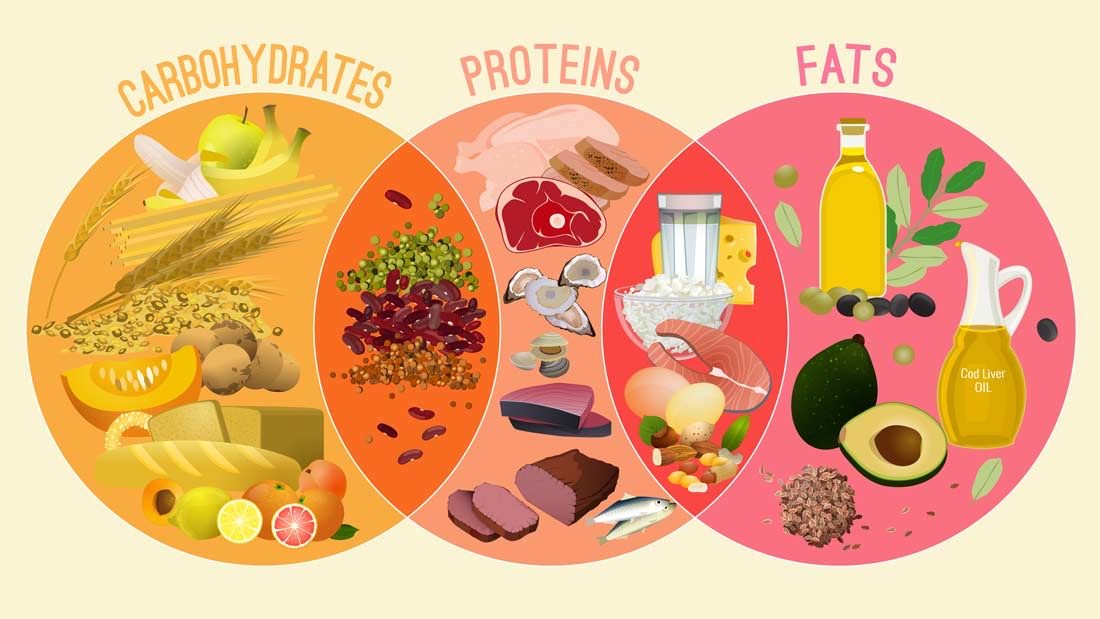
Today we’re diving into the world of macronutrients and how they play a pivotal role in creating a balanced diet that keeps you energised, healthy and feeling fabulous! An understanding of macronutrients holds the key to your nutrition success.
What are macros
Macros are the abbreviated term for macronutrients which refers to nutrients the body needs in large amounts to function optimally. There are three main types:
- Carbohydrates
- Proteins
- Fats
Think of them as the three pillars of nutrition, each supporting your health in its own unique way. Let’s explore each one in detail.
Carbohydrates: The Energy Powerhouse 🌽
What They Do: Carbohydrates are the body’s main source of energy. They break down into glucose, which fuels your brain, muscles, and organs.
Types of Carbohydrates:
- Complex carbs found in wholegrain, legumes and starch vegetables are packed with fibre and nutrients that keep you satiated, provide a sustained source of energy and help regulate blood sugar levels.
- Simple carbs found in processed sugars and heavily refined grains lead to rapid spikes and drops in energy levels and blood sugar which not only make you feel sluggish but may lead to insulin resistance and type II diabetes if consumed in excess regularly.
Recommended Intake: Generally, carbohydrates should make up about 45-65% of your total daily caloric intake. For optimal health prioritise complex carbs and consume simple carbs in moderation.
Proteins: The Building Blocks 🥩
What They Do: Proteins are essential for building and repairing tissues, making enzymes and hormones and supporting immune function. They are made up of amino acids, which are the building blocks of cells.
Sources of Protein:
- Animal Sources: Chicken, beef, fish, eggs, and dairy products. Be sure to prioritise lean proteins low in saturated fat.
- Plant Sources: Legumes (like beans and lentils), nuts, seeds, whole grains and tofu are wonderful sources of protein without the saturated fats.
Recommended Intake: Aim for 10-35% of your daily calories to come protein, adjusting based on your activity level and fitness goals. More active individuals will require more protein to support muscle growth and/or recovery.
Fats: The Unsung Hero 🥑
What They Do: Fats are crucial for absorbing fat-soluble vitamins (A, D, E, and K), regulating hormones, protecting your organs and providing long-lasting energy.
Types of Fats:
- Unsaturated Fats: These are found in olive oil, avocados, nuts, and fatty fish (like salmon) . These are considered heart-healthy fats and can help lower bad cholesterol.
- Saturated Fats: These are found in red meat, butter, and full-fat dairy. While they can be part of a healthy diet, they should be consumed in moderation.
- Trans Fats: These are found in many processed snacks. It’s best to limit these as they can raise bad cholesterol levels.
Recommended Intake: Fats should constitute about 20-35% of your total daily caloric intake. Remember to prioritise healthy fat sources for optimal health, with no more than 10% from saturated and trans fats.
Putting It All Together: A Balanced Plate 🍽️
Creating a balanced set doesn’t have to be complicated! Here are some practical strategies to ensure you are getting a healthy mix of macronutrients.
1. Plate Method: visualise your plate as a circle. Fill half with low carb fruits and vegetables), a quarter with lean protein (like chicken breast, salmon or steak) and the remaining quarter with high fibre carbs (like brown rice or quinoa) as well as healthy fats such as a drizzle of olive oil and avocado)
2. Snack Wisely: choose snacks that combine different macronutrients. For example, pair greek yoghurt (protein) with berries or apple splices (carbs) and almond butter with a sprinkle of chia seeds (fats).
3. Meal Prep Magic: spend a little time each week prepping balanced meals, so that you have yummy nutritious options to grab and go!
4. Listen to Your Body: Pay attention to how different foods make you feel. Everyones dietary needs are unique – what works for one person may not work for another!
Final Thoughts
Mastering macronutrients is your ticket to a balanced, vibrant and energised life! By understanding the bodily functions different macros have in your body, you can make more informed choices that support your health and wellness goals. Remember, it is all about balance, variety and enjoying your food! So go ahead and get creative in the kitchen an celebrate the wonderful world of macronutrients 🌈✨